Cactus Pears (2025), Director: Rohan Kanawade, mac cinema, Birmingham | 03 July, 2026 ⭐⭐⭐⭐ Review by Dan Auluk
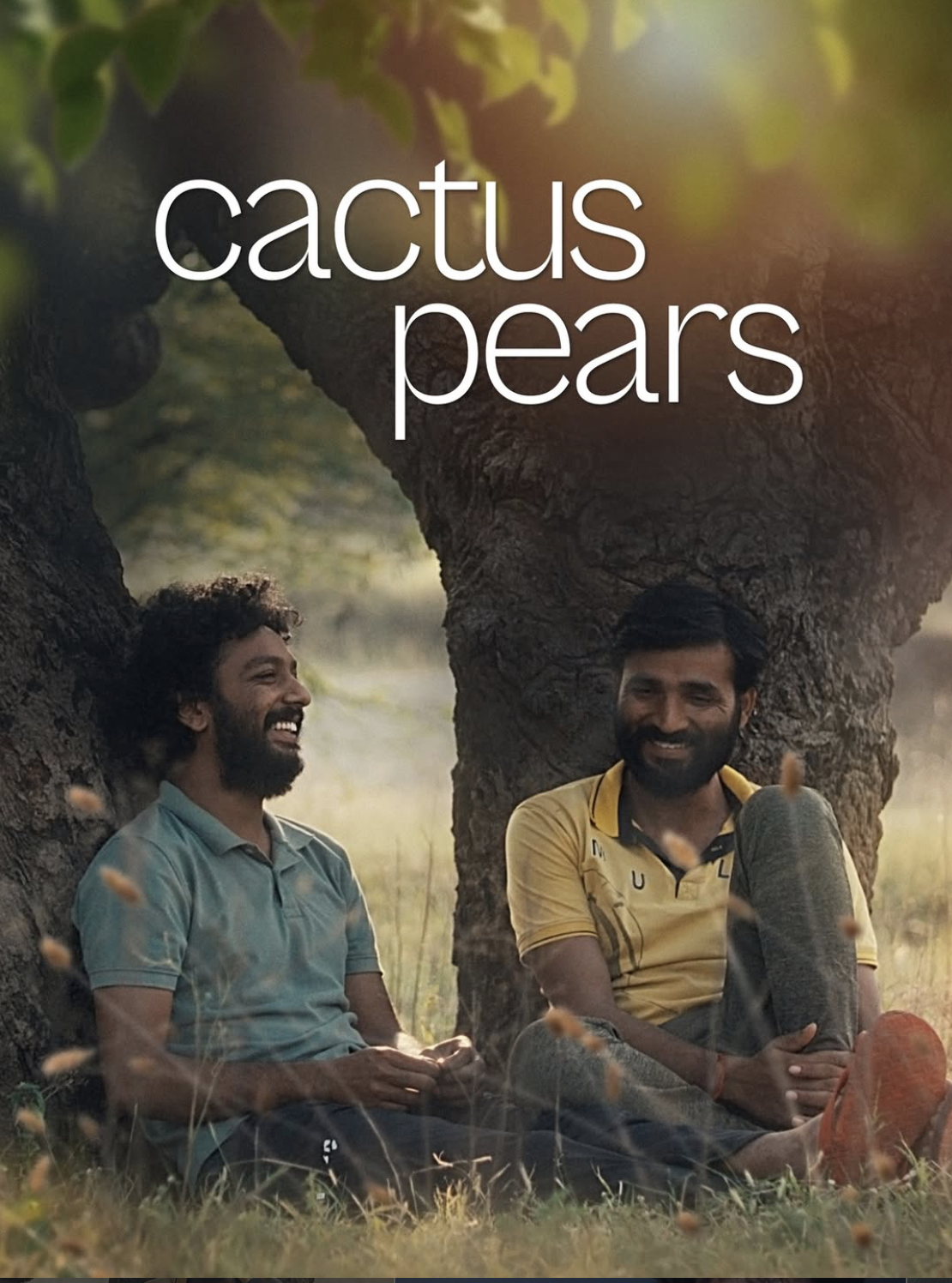
Cactus Pears(2025)
Director: Rohan Kanawade
mac cinema, Birmingham | 03 July, 2026
⭐⭐⭐⭐ Review by Dan Auluk
Running Time: 1hr 53 minutes
“A quiet, tender and authentic story about grief, acceptance and forbidden love.”
Rohan Kanawade’s debut feature is a sensitive romantic drama exploring grief, tradition, longing and the realities of rural queer life in India. Set in rural Maharashtra, Cactus Pears follows Anand, a Mumbai call-centre worker who returns to his ancestral village to observe the ten-day mourning ritual following his father’s death. While navigating the pressures of family expectations and marriage, he reconnects with Balya, a childhood friend facing similar struggles. Over the course of the mourning period, their bond deepens into a tender and intimate relationship, creating a quiet exploration of grief, identity and queer love within a traditional rural community.
The film made history at the Sundance Film Festival in 2025, becoming the first Indian fiction feature and the first Marathi-language film to win the World Cinema Dramatic Grand Jury Prize. A landmark achievement for Indian cinema.
The title refers to the cactus pear fruit, which is covered in sharp thorns. In the film, the fruit becomes a symbol of the relationship between Anand and Balya: something sweet and nourishing that must first be carefully stripped of its prickles. One of the film's most touching gestures is Balya leaving Anand a cactus pear that he has already de-thorned, symbolising his care and the tenderness of their connection. The prickles and thorns become a powerful symbol of societal expectations and tradition.
Cactus Pears is an authentic quiet and emotionally moving film that takes its time to unfold and uncover the depths of grief, ritual and forbidden love. The film's greatest strength lies in its restraint. There is only one scene when the camera moves, perhaps suggesting that just for a moment we can be free and that is enough, for now.
The performances are uniformly excellent, particularly from the two leads and the actor playing Anand's mother. There is a remarkable naturalism to the ensemble, suggesting careful casting and direction that never draws attention to itself.
The editing, rather than building towards emotional release, scenes linger, creating a quiet claustrophobia that mirrors the constraints placed upon the characters. The film is edited such a way that any dramatic tension is stripped away, which at times doesn’t allow you to breathe but this allows you to connect to what the main characters are experiencing. The sound design also allows us to reimagine what a love story can be, where background sounds add to the realism.
What is particularly refreshing is the film's refusal to sensationalise its LGBTQIA+ themes. Instead, the cinematography offers a quiet portrait of village life, favouring natural light, carefully composed frames and an almost entirely static camera. The static, almost slide-projector-like compositions evoke memories, inviting us to complete the image through our own emotional associations and lived experience.
Queer identity is central to the story, but it is never treated as its sole defining feature. Instead, the film quietly explores universal experiences of longing, regret, our connection with our caregivers and hope while remaining grounded in the specificity of its cultural and personal contexts. There are two scenes that I found emotionally sad but also freeing at the same time. Grief does this. By the film's conclusion I found myself breathing a quiet sigh of relief, of hope and intrigue as the ending leaves us wondering what comes next.
Cactus Pears is a sensitive, beautifully crafted film that is asking its audience to trust the process of storytelling. Thoughtful, compassionate, and visually elegant, it is a film that lingers in the mind and deserves a second watch. The producers deserve credit for bringing Kanawade's screenplay so thoughtfully to the screen. It’s a film parents could benefit from seeing, reminding us that queer love is neither foreign nor new; it is simply part of the human experience.
A kudos to mac Birmingham for always showing diverse World Cinema giving local communities and beyond a chance to engage with films they may not have immediate access to.
Very impressed by Vikas Urs' cinematography, Anadi Athaley's editing, Anirban Borthakur and Naren Chandavarkar's sound design, and Yugandhar Deshpande's casting.
Kanawade is a remarkable new voice in Indian cinema, displaying a confidence and patience rarely seen in a debut feature. He trusts both the medium and his audience, allowing vulnerability to emerge naturally within the shared experience of the cinema.
Crew
Writer & Director: Rohan Parashuram Kanawade
Cinematography: Vikas Urs
Editor: Anadi Athaley
Production Designer: Tejashree Kapadane
Costume Designer: Sachin Lovalekar
Casting Director: Yugandhar Deshpande
Sound Designers: Anirban Borthakur and Naren Chandavarkar
Re-recording Mixers: Boloy Kumar Doloi and Rahul Karpe
Colourist: HimanshuKamble
VFX: Nitin Kale
Producers
Neeraj Churi
Mohamed Khaki
Kaushik Ray
Naren Chandavarkar
Sidharth Meer
Hareesh Reddypalli
Rohan Parashuram Kanawade
Cast
Bhushaan Manoj - Anand
Suraaj Suman - Balya
Jayshri Jagtap - Suman (Anand's mother)