NDR Radiophilharmonie Hannover, Royal Concert Hall, Nottingham | 14 October 2026 ⭐⭐⭐⭐Review by William Ruff
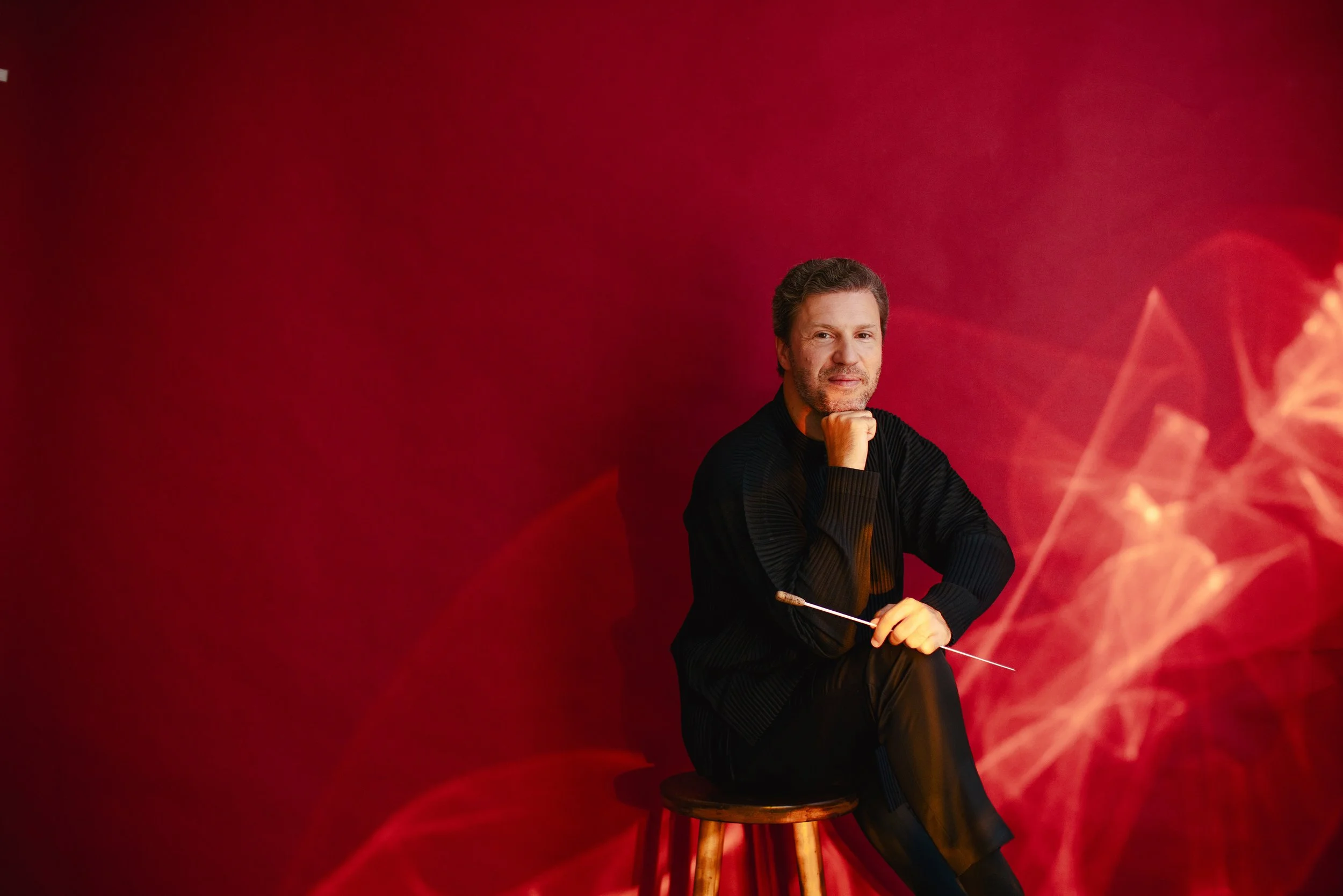
Photo credit: Evelyn Dragan
NDR Radiophilharmonie Hannover
Royal Concert Hall, Nottingham | 14 October 2026
⭐⭐⭐⭐ Review by William Ruff
“Precision, warmth and stylistic versatility.”
I wasn’t sure what to expect from the NDR Radiophilharmonie Hannover when I saw them listed in this year’s Nottingham Classics brochure. And I suspect I wasn’t alone. Although they had never performed in Nottingham before, Spotify reveals that they’re an orchestra with wide tastes, ranging from the big classics (Elgar, Berlioz, Bruckner etc) to film scores.
So how did hearing them live in concert shape up? Their programme on Wednesday night was certainly a testing one, and first impressions were of a conductor with a mind of his own when it comes to arranging players on stage. Double basses raised on a platform to the left; all the brass on the right, woodwind and timpani in the middle, violins divided left and right. Although the effect on sound was subtle, it was effective.
They started with Prokofiev’s ‘Classical’ Symphony, so-called because of its homage to the style of Haydn and Mozart as seen from a 20th century perspective. It’s a piece that needs the ultimate degree of razor-sharp timing if the composer’s taste for musical elegance and sophisticated wit is to register. In this NDR performance textures were transparent, rhythms were clear and had plenty of bounce and conductor Stanislav Kochanovsky maintained the element of surprise, especially in the way that themes step upwards or downwards into neighbouring keys before returning home. Perhaps it lacked that final degree of sharpness but it was all great fun and an effective curtain-raiser for the more substantial fare that was to follow.
Nikolai Lugansky was the soloist in Rachmaninov’s 1st Piano Concerto. Its opening movement is exactly what you’d expect: gorgeous lyricism with plenty of keyboard fireworks. Most performances of this concerto take the opening rather faster, the brass fanfare launching the soloist skyward. Lugansky and Kochanovsky had decided on a much steadier approach, one which ushered in a first movement dreamier and more reflective than if often the case, one reminiscent of the young Rachmaninov’s admiration for composers such as Schumann and Grieg.
In the second movement Lugansky created an atmosphere of quiet concentration, coaxing some lovely sounds from the keyboard. The finale dazzled, full of dramatic tension (with the sort of sentimental, beautiful melodies that are the composer’s hallmark) and a brilliant coda that brought the concerto to a triumphant close. Lugansky’s was the sort of high-octane, virtuosic, heart-on-sleeve playing which audiences adore – and their ovation brought an encore.
In the second half came Brahms’s 2nd Symphony, a work which shows its composer at his most genial. It’s not all uncomplicated sunshine, however. Take, for instance, the first movement: in some ways like a vast waltz but one that occasionally strays into the shadows. The slow movement too is on the dark side, featuring some glorious playing by the orchestra’s cellos. The third movement was light and deft, both elegant and excitable.
The finale exploded with joy. Brahms can have a reputation for being rather serious and unsmiling – but not here - and all sections of the orchestra seemed to relish the chance to display its warmth, eloquence and power. Up till now these musicians from Hanover may have been something of an unknown quantity, but their precision and stylistic versatility were qualities that clearly impressed the audience. Huge cheers at the end led to a Brahms Hungarian Dance as encore.
NDR Radiophilharmonie, Hannover
Stanislav Kochanovsky, conductor
Nikolai Lugansky, piano