Sinfonia Viva plays Bach and Piazzolla, Royal Concert Hall, Nottingham | 22 February 2026 ⭐⭐⭐⭐ Review by William Ruff
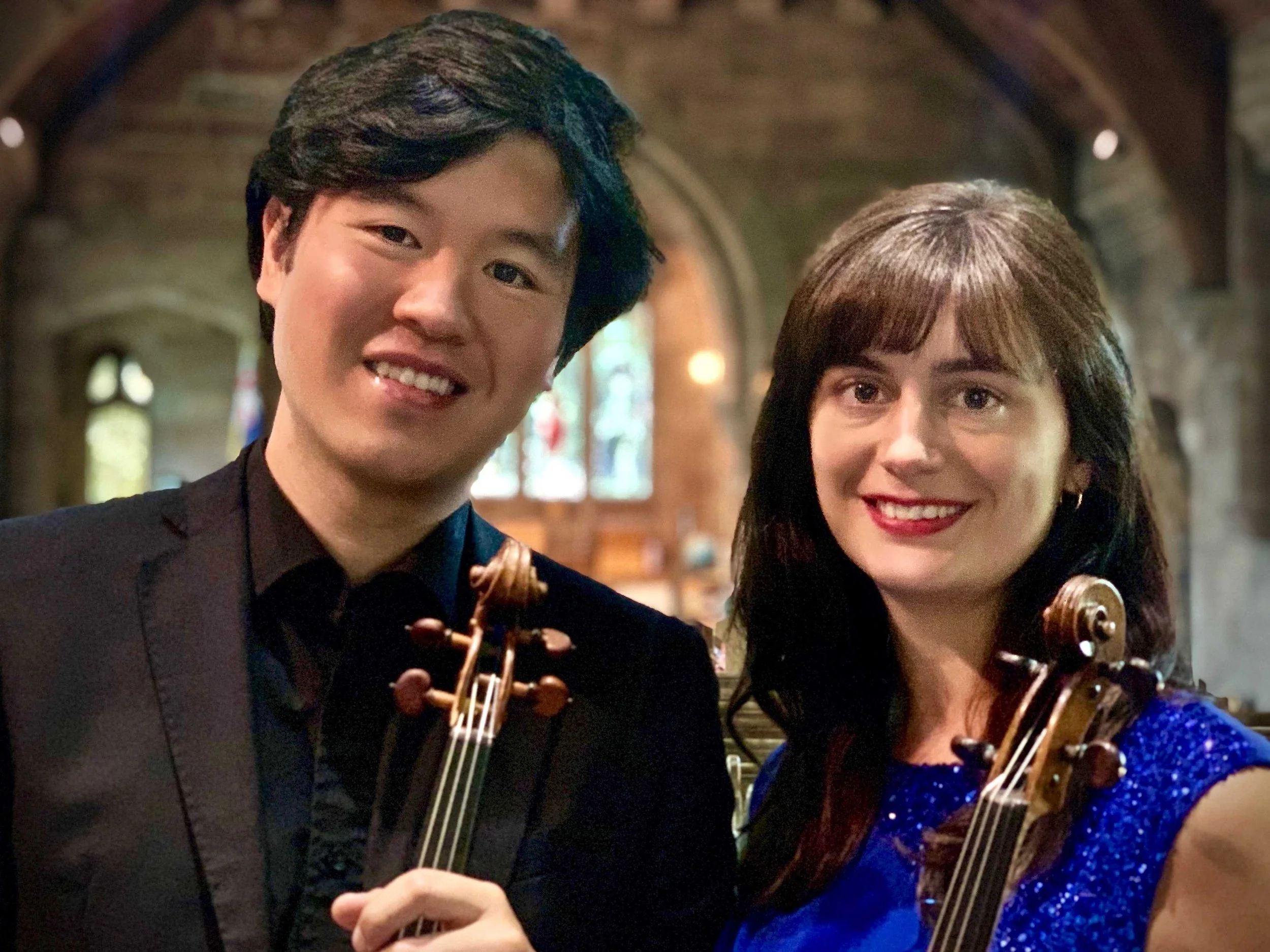
Photo credit: Royal Centre
Sinfonia Viva plays Bach and Piazzolla
Royal Concert Hall, Nottingham | 22 February 2026.
⭐⭐⭐⭐ Review: William Ruff
“Ancient meets modern with exhilarating energy.”
If there is such a thing as a typical member of a classical concert audience, then my guess is that they will have heard two thirds of Sinfonia Viva’s Sunday afternoon programme dozens of times before – but the remaining third never. That’s because the concert opened with two pieces by J.S. Bach and ended with Astor Piazzolla.
Piazzolla was both a classical composer and king of the Argentinian tango, his classical training giving him the technical means to experiment with tango traditions and allowing him to combine them with elements of jazz (amongst other things). The piece that Sinfonia Viva chose to play – The Four Seasons of Buenos Aires – contains plenty of tango, plenty of jazz and much else besides. The version they performed was the arrangement by the Russian composer Leonid Desyatnikov for solo violin and string orchestra. Taken together, the seasons form a kind of love letter from the composer to his native city. Of course, they invite comparison with Vivaldi’s more famous set, but whereas Vivaldi was evoking an 18th century world of rural tranquility, Piazzolla’s seasons are urban and steeped in the passionate, physical world of the tango.
Sophie Rosa was the solo violinist and hers was a performance with a thoroughly convincing Argentinian accent: urgent and sultry in the opening ‘Summer’ movement, full of tango slides and percussive string effects evocative of street sounds, arguments and the vibrant chaos of city life. In ‘Autumn’ Sophie’s violin sang a long-breathed, deeply expressive melody over rich, sustained string harmonies. In ‘Winter’ there were highly dramatic contrasts between moods of spare intimacy and the sharp, icy attacks which followed.
The whole thing requires virtuosity not only from the soloist but the entire string orchestra. All the players seemed to relish the unpredictable rhythms, the array of evocative sound effects, the demands for all sorts of unusual techniques. There also was some beautiful solo cello playing and much versatility on display from everyone.
The two Bach works were full of vital energy too. The 3rd Brandenburg Concerto demands that all its players are soloists and Sinfonia Viva created a lively dialogue between all its members as ideas were passed urgently from one to another. Speeds were well-chosen and the ensemble generally well-balanced…although it’s a pity that the harpsichord (an important part of the overall texture) was mostly inaudible.
In Bach’s Concerto for Two Violins Sophie Rosa was joined by her husband Peter Liang. Theirs was playing that revealed the intricacy and lyricism of Bach’s writing. Indeed all the players seemed to have an intuitive feeling for graceful phrasing and for combining exhilarating energy with soothing tranquility: qualities which pervaded the entire concert.
Sinfonia Viva
Sophie Rosa (violin/director)
Peter Liang (violin)