The Hallé plays Liszt, Beethoven and Stravinsky, Royal Concert Hall, Nottingham | 23 September 2026 ⭐⭐⭐⭐⭐ Review by William Ruff
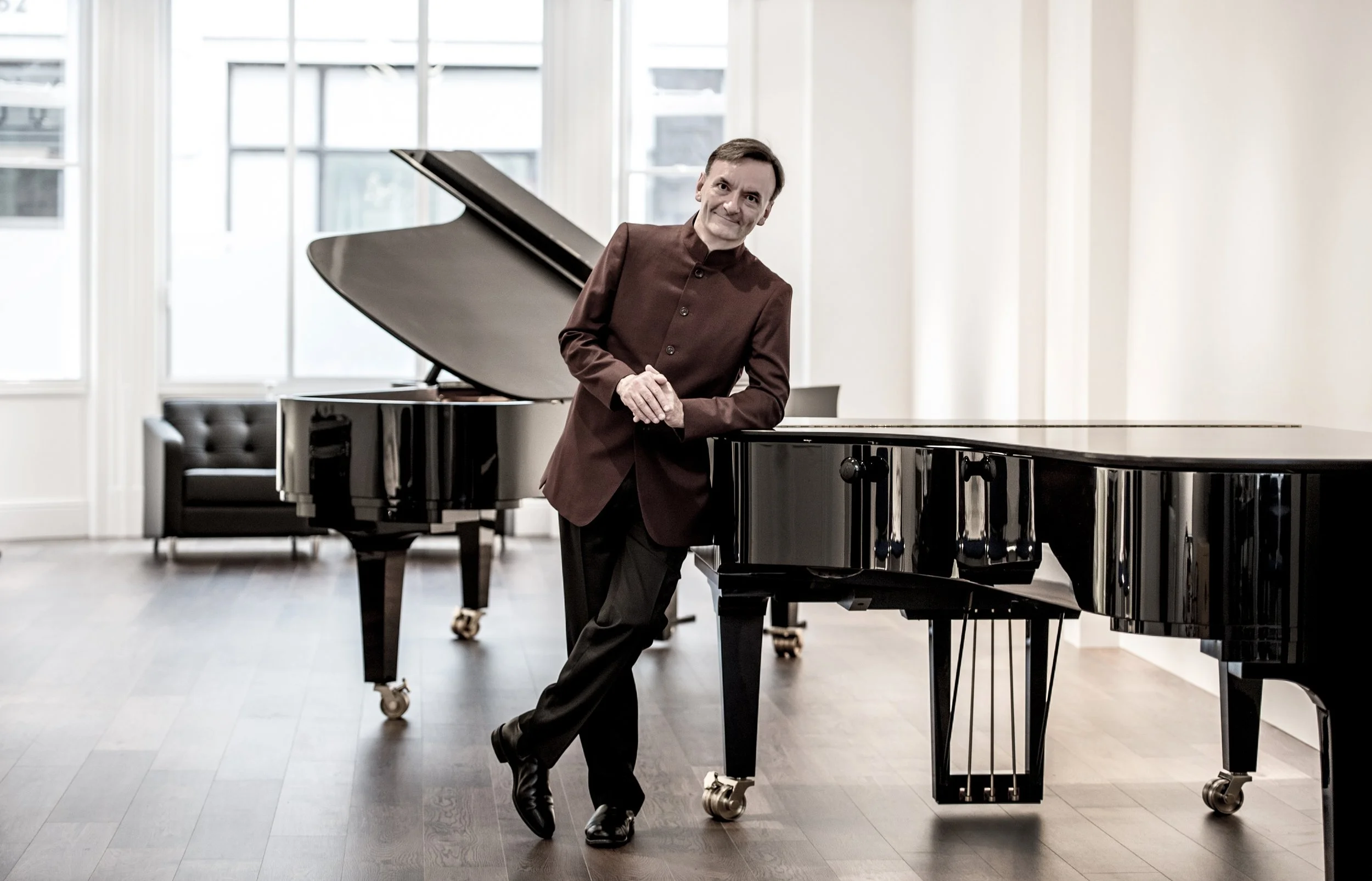
Photo credit: Sim Canetty-Clarke
The Hallé plays Liszt, Beethoven and Stravinsky,
Royal Concert Hall, Nottingham | 23 September 2026
⭐⭐⭐⭐⭐ Review by William Ruff
“Soloist, conductor and orchestra launch the new Nottingham season in spectacular style.”
The new Nottingham Classics season has opened with much the same energy and excitement as the old one ended in June. All the ingredients seemed carefully selected to ensure maximum audience enthusiasm: a Hallé on top form, its chief conductor clearly revelling in musical storytelling and a soloist with a long history of inspiring Nottingham audiences.
The programme was well-chosen too. Liszt’s symphonic poem Les Préludes is such an effective season opener that it’s surprising it isn’t done more often. It starts mysteriously with three notes which the composer transforms into everything else that follows and which soon grow into a phrase which swells through the entire orchestra, as if asking a profound question: what is life about? Liszt’s offers four possibilities: love first of all, then the inevitable tempest that shatters youthful illusions, followed by the calm serenity of life in the country and finally going into battle and emerging victorious. You may not be entirely convinced by the life lessons Liszt offers, but it’s an effective scheme for a 15-minute concert curtain-raiser. Conductor Kahchun Wong moulded an emotionally convincing performance: spacious, lyrical love music, a menacing storm, a pastoral interlude (with some lovely wind playing) and a spectacular ending, with the Hallé’s trumpets on fine form as they sounded the alarm, the music building to a heroic, triumphant conclusion.
Sir Stephen Hough was the soloist in Beethoven’s Emperor Concerto, a work on a massive scale which radiates energy and optimism from its spectacular opening cadenza to the triumph of its ending. When you think of this concerto, it’s probably the monumental features which first come to mind, but Stephen Hough captured the more introspective qualities of the concerto just as effectively as all its opportunities for spectacular virtuosity. This performance wasn’t so much a battle between soloist and orchestra as a conversation, with both soloist and orchestra listening to each other and responding accordingly. The slow movement was beautifully done, the muted strings breathing a hushed, almost fragile accompaniment and the soloist entering with a tone both veiled and intimate. The finale was earthy, buoyant and a joyful fusion of Stephen Hough’s crisp articulation with an alert, highly responsive Hallé.
The concert ended with the 1945 suite from Stravinsky’s Firebird ballet, based on an old Russian folk tale, whose colourful scenes drew from the young composer dazzling orchestral invention and a Technicolor palette of exotic sounds. Kahchun Wong ensured that its key scenes (such as the ‘Dance of the Firebird’ and ‘Infernal Dance’) were dramatically paced and steeped in a kaleidoscopic range of colour. At the opening the Hallé’s strings managed to give the impression not so much of sound as of profound gloom suddenly pierced by the brightness of the magical firebird. Indeed the whole performance suggested how closely sound is yoked to sight and how instruments can convey different intensities of light. The ending cast a powerful spell as dazzling sunlight seemed to stream in, accompanying the joyful bell-like fanfares of the joyous ending.
So this was a concert which began with hushed expectation and ended with a blaze of triumph: excellent programme-planning for the launch of a new season of Nottingham Classics.
The Hallé
Kahchun Wong, conductor
Sir Stephen Hough, piano