The Hallé plays Sibelius, Shostakovich and Beethoven, Royal Concert Hall, Nottingham | 10 February 2026 ⭐⭐⭐⭐⭐ Review by William Ruff
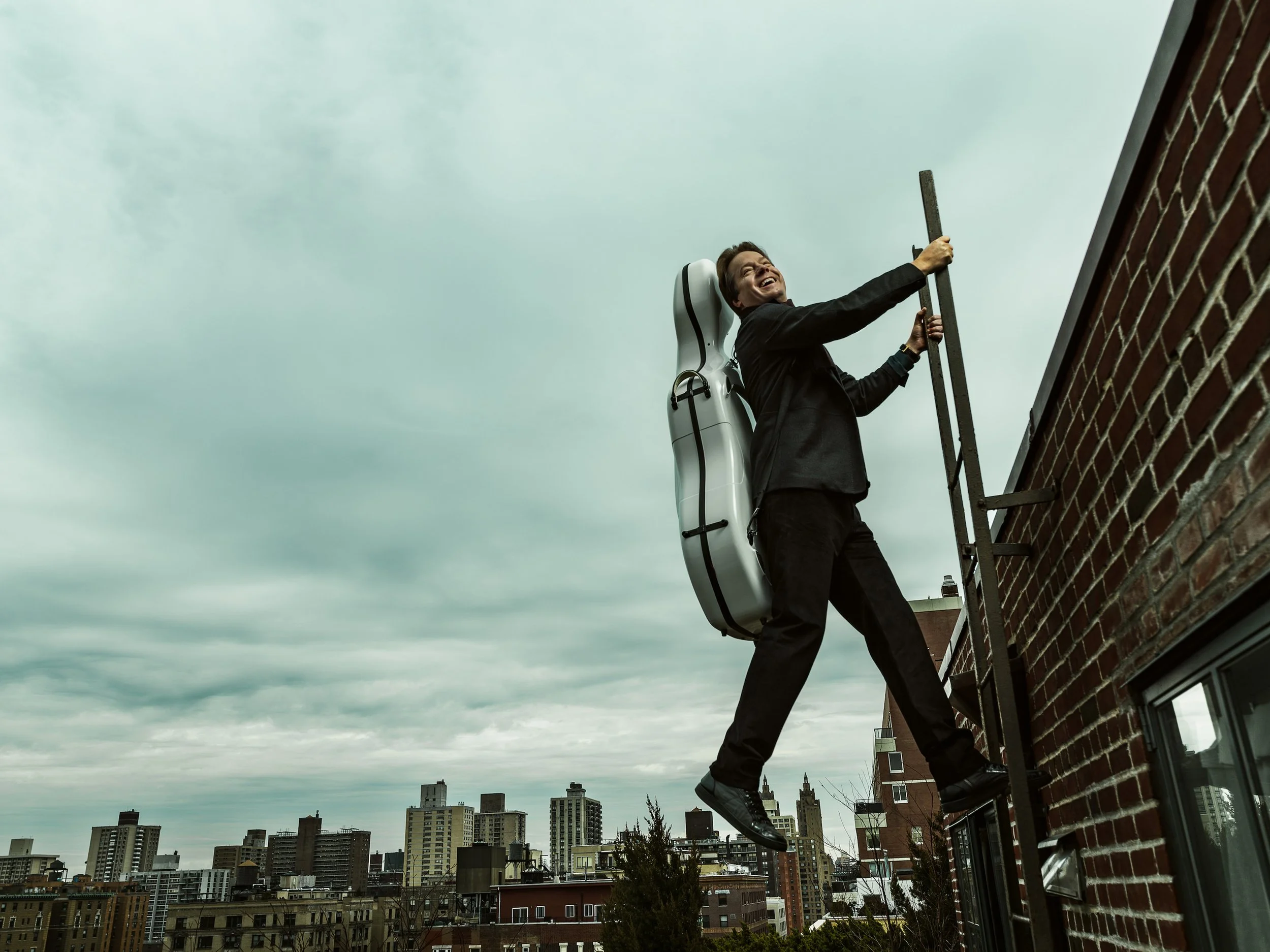
Photo credit: Marco Grob
The Hallé plays Sibelius, Shostakovich and Beethoven
Royal Concert Hall, Nottingham, | 10 February 2026,
⭐⭐⭐⭐⭐ Review by William Ruff
“The Hallé concert delivers even more than the sum of its thrilling parts.”
All concerts have a beginning, a middle and an end but sometimes they can feel a bit random. This Hallé programme had a very satisfying shape to it: a profoundly emotional opening, a spectacular ending – and a middle which took everyone by surprise. And it all added up to much more than the sum of those impressive parts.
Sibelius’ Andante Festivo packs so much poignant beauty into its short span (barely 5 minutes) that it’s a wonder it doesn’t open more concerts. If you think of Sibelius’ music as the musical equivalent of Finland’s rugged, mythic landscapes, then this piece may come as a surprise. Written for strings alone, it’s a highly concentrated expression of noble dignity and communal spirit. It started life as a personal, family piece but it evolved into a powerful, resonant affirmation of Finnish national identity expressed in the dark days of 1939. Conductor Kahchun Wong had the measure of the piece from the outset, ensuring the sort of transparent textures which allowed each of the layered string voices to shine through as they built in intensity and volume.
Jan Vogler then joined the Hallé to perform Shostakovich’s 1st Cello Concerto, written in 1959, six years after the death of Stalin but in an era when Soviet artists still had to fight for their survival against the stranglehold of a repressive state. It’s this sense of struggle which makes the concerto so exciting and makes it such a potent mix of crackling intensity, sardonic wit and profound introspection. It’s partly written in code, opening with four notes which form the composer’s personal musical monogram, a risky assertion of his rights as a human being and artist.
Jan Vogler reached deep inside the concerto from the outset, capturing its often manic energy, its angular themes and its moments of other-worldly lyricism. He made the slow movement almost unbearably poignant: a ghostly song sung by a small voice crying in the wilderness. The Cadenza became a long, lonely musical journey in search of a way back home. The Finale was just wild, a thrilling rollercoaster ride, veering between extremes of emotion: dancing on hot coals at one moment whilst plunging into the depths of despair the next. And it wasn’t just Jan Vogler’s cello that shone. There were some wonderfully rasping, assertive interjections from solo horn and much grotesque screaming from clarinets, as the audience was transported into the heart of darkness from which Shostakovich’s concerto first emerged.
The interval saw much activity on the concert platform as it was transformed for Beethoven’s Eroica Symphony. Most of the chairs were removed and a high platform built for conductor Kahchun Wong. When the Hallé returned it was with most of them standing to play. You could feel the energy levels rising, even before they started – and when they did the effect was electric, the players given the space to react physically to the music, leaving no one in any doubt that the Eroica is one of the most thrillingly mould-breaking creations of the human mind. Kahchun Wong paced it all with probing insight: the way the opening movement plants seeds of drama and discord; the grandeur, triumph and agonised grief of the funeral march; the whirlwind of explosive, syncopated energy that is the Scherzo. And then came the Finale with its variations on a Promethean theme, building in complexity and grandeur until the jubilant, frenzied ending, a cosmic celebration of the creative spirit. No wonder the audience cheered.
The Hallé
Kahchun Wong (conductor), Jan Vogler (cello).