Warsaw Philharmonic Orchestra, Royal Concert Hall, Nottingham | 20 May 2026 ⭐⭐⭐⭐⭐ Review by William Ruff
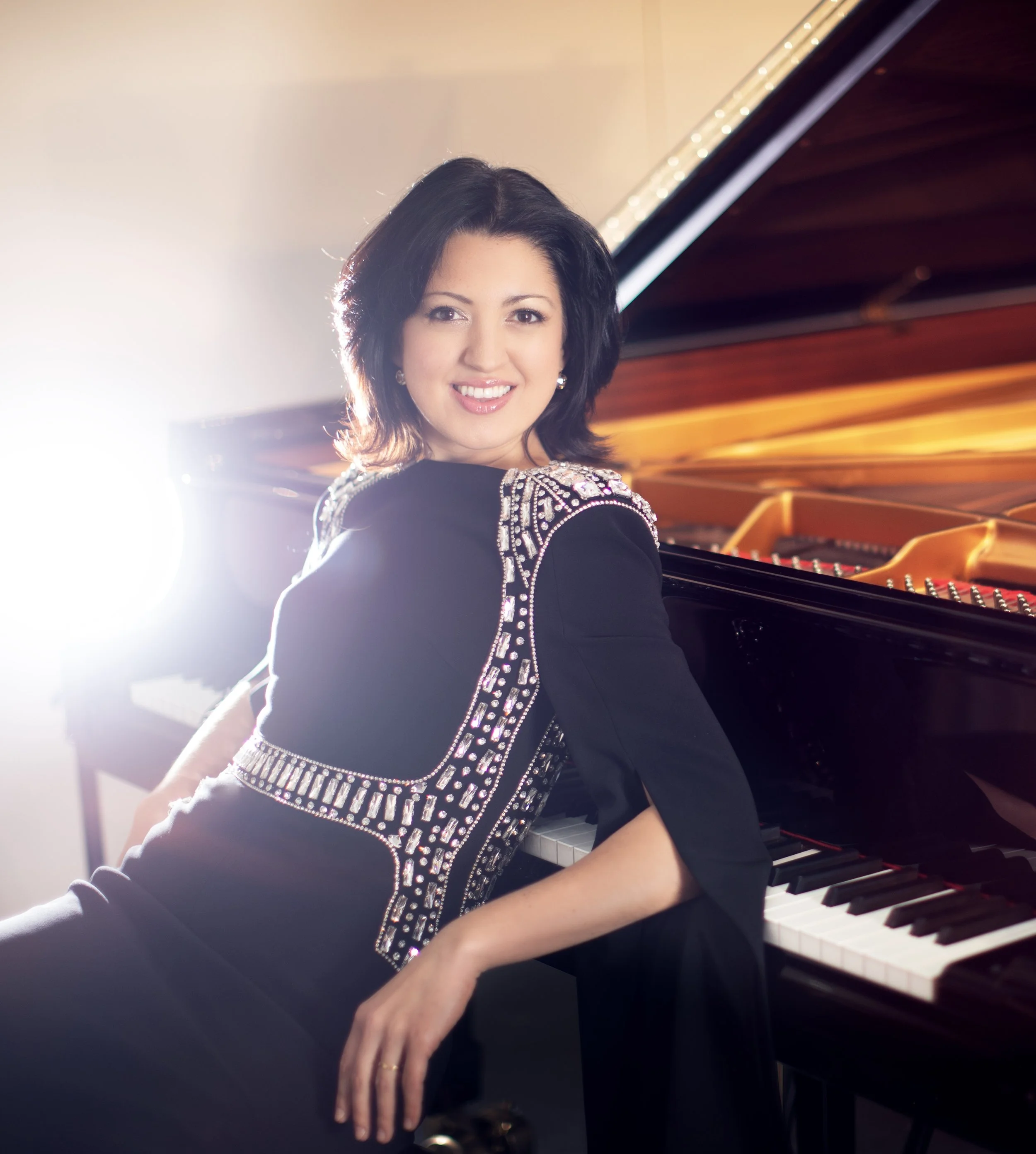
Photo credit: Frances Marshall
Warsaw Philharmonic Orchestra
Royal Concert Hall, Nottingham | 20 May 2026
⭐⭐⭐⭐⭐ Review by William Ruff
“Revolutionary rhythms and poetic intimacy combine with some distinctively Polish voices.”
This Warsaw Philharmonic concert spanned 140 years of European music, contrasting the Austro-German tradition with Poland’s fiercely independent voice.
They started with the Scherzo by Grażyna Bacewicz, four minutes of high-octane energy and wit: feisty, rich in orchestral colour and bursting with rhythmic vivacity. It was written in post-war Poland under a Communist regime which meant that the composer had to walk a perilously fine line between artistic freedom and state expectations. In the hands of conductor Krzysztof Urbañski, the orchestra’s playing let us hear Bacewicz’s entirely modern voice emerging loud and clear from under a protective veil of politically acceptable tradition.
They followed this with the Little Suite by Witold Lutosławski, another work written by someone who knew all about state pressure. After his first symphony had been denounced by the Stalinist authorities, the composer temporarily went to folk music as a means of artistic survival, travelling to the village of Machów, collecting simple folk tunes and transforming them into this charming suite of four short movements. While the melodies glow with affection, Lutosławski steeps them in harmonic spice and plays all sorts of witty games with them - such as accompanying the big tunes in what sounds like the ‘wrong’ key. It begins with a chirpy piccolo solo followed by some wonderfully mischievous crunchy, dissonant chords. The following Polka is brisk, playful and full of infectious energy. The third movement is the emotional heart of the suite: hauntingly atmospheric, with sad woodwind solos floating over sustained harmonies. And the final movement is a vigorous, varied dance, colourfully scored with a rhythmic drive in which Krzysztof Urbañski and his players didn’t falter for one second.
After this we were on much more familiar territory. Alexander Dariescu was soloist in Chopin’s F minor Piano Concerto, written when the composer was only 19. It’s easy to see why his concertos have sometimes been criticised as being mainly solo piano pieces with a bit of light orchestral accompaniment. But Chopin wrote them for audiences who really had eyes and ears for him alone – and he certainly gave them what they wanted: melodies flowing from his pen with seemingly unstoppable abundance. Alexandra Dariescu has this music in her blood. She wasn’t afraid of the limelight yet also relished the opportunity to duet with orchestral players. More than anything beauty of sound is a must in Chopin, as is agile virtuosity – and she certainly had plenty of both, especially in the gorgeous slow movement when the soloist launches into sublime flights of fantasy while the orchestra offers a glowing backcloth of sound.
As an encore she joined forces with the orchestra’s leader, Krzysztof Bakowski, for the first of Clara Schumann’s charmingly tuneful Romances for violin and piano.
In the concert’s second half Krzysztof Urbañski directed a lithe, athletic, purposeful performance of Beethoven’s 7th Symphony. The opening movement established seriousness of intent before spilling into a powerful, infectiously rollicking Vivace. The famous slow movement, with its obsessive repeating rhythms, was full of tragic dignity, the woodwinds and violins spinning their lament over the funeral-like marching of the lower strings. And after the boisterously playful Scherzo came a Finale in which Beethoven plunges into one of the most invigorating sonic maelstroms in all music, celebrating the sheer joy of being alive. All sections of the Warsaw Philharmonic rose to the occasion – and the audience loved it.
Warsaw Philharmonic
Krzysztof Urbañski, conductor
Alexandra Dariescu, piano